
On this page
Insights
Retirement planning
For many business owners, success is defined as generating enough income to live comfortably today while working hard to build a thriving business. But what happens when you are no longer working in, and making a living from, your business? Where will the income come from then?
View the 2025 Business Owner Perspectives Study.

About 50% of business owners say being able to maintain my current lifestyle in retirement is their top goal.1
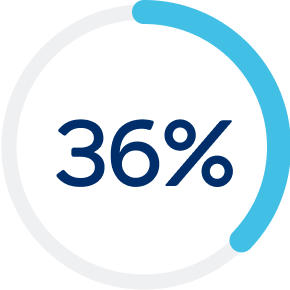
Only 36% of business owners feel on track with their retirement savings.1
A lack of financial independence is often why a business owner never truly leaves the business
Hear how a parent's expectations around receiving income from the business in retirement placed immense pressure on the next generation.
Calculator
The Real Business Podcast
Listen in as we discuss retirement planning strategies for business owners. Learn how to prepare financially and achieve a successful exit from your business.
Showing podcasts related to Retirement planning
Blog
Tagged as Business Owner
FAQs
The income replacement value is what you need the business to be worth to maintain your current standard of living after you leave. This value is irrelevant to a potential buyer, but vital to any business owner looking to plan for life after the business. To determine the income replacement value of the business, add up the cost of all the benefits you realize from the business (such as insurance, travel, meals, rent, etc.), plus your salary and bonus, and divide it by a withdrawal rate you are comfortable with (typically between 3-5%).
The difference between the income replacement value and the value you believe you could sell the business for today is your retirement income gap. Business owners often realize that the income replacement value is higher than what they think the business is worth. This gap can be reduced by either determining ways to increase the value of your business or by growing the assets you have outside your business (savings, real estate, investments, qualified plans, etc.).
If you are planning on staying on the payroll in retirement be sure to document what your roles will be and agree on compensation equal to the value you are bringing back to the business. Instead of calling it a salary, business owners often call the compensation they receive from the business in retirement a “consulting fee.” While this arrangement may be good for the retired owner, it may not be in the best interest of the new leadership, especially if the sole reason is because you need retirement income.
Connect with a financial professional

No commitment
There's no cost to set up a meeting and talk with us.

It's about you
We’ll get to know you and understand your financial situation, goals, and objectives.
Trusted advice
We'll provide you with options so you can choose the financial products and solutions that are best for you.

A plan for the future
We’ll talk about the road ahead and set you up for success.
Get the help your business needs


1 Source: 2025 Business Owner Perspectives Study (PDF)